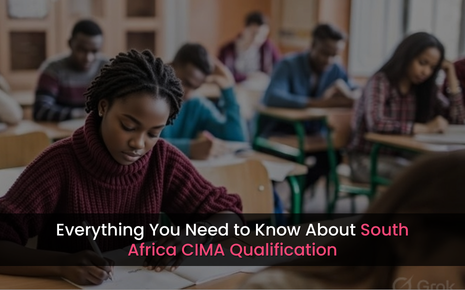
In today’s dynamic business environment, finance and management professionals need credentials that not only validate their knowledge but also open doors to global career opportunities. The South Africa CIMA Qualification is one such pathway, offering aspiring accountants and financial managers a structured route to expertise in management accounting and strategic business leadership. This article will guide you through everything you need to know about pursuing this esteemed qualification, from its structure and benefits to career opportunities and preparation tips.
What is the South Africa CIMA Qualification?
The South Africa CIMA Qualification is awarded by the Chartered Institute of Management Accountants (CIMA), a globally recognized body for management accountants. Unlike traditional accounting qualifications that focus primarily on financial reporting and compliance, CIMA emphasizes strategic management, decision-making, and financial leadership. Graduates of this program are not just accountants—they are equipped to influence business strategy, manage risks, and drive organizational growth.
CIMA’s globally respected curriculum is structured to develop professionals who can combine accounting expertise with business acumen. In South Africa, this qualification is gaining popularity as organizations increasingly seek individuals who can provide insights for informed decision-making rather than just recording transactions.
Structure of the CIMA Qualification
The South Africa CIMA Qualification is divided into three main levels: Operational, Management, and Strategic, each building on the knowledge and skills acquired in the previous stage. Additionally, students must complete a practical experience requirement to gain real-world exposure.
- Operational Level:
This foundational stage focuses on business fundamentals and introduces students to the essentials of management accounting. Key areas include financial reporting, cost management, and organizational operations. Completing this level ensures a solid understanding of the basic principles of accounting and business management. - Management Level:
At this stage, students expand their expertise in analyzing business performance, managing budgets, and applying financial strategies to decision-making processes. Management-level examinations emphasize practical application, preparing candidates to support mid-level managerial decisions effectively. - Strategic Level:
The final stage develops advanced skills in strategic leadership, risk management, and financial strategy. Students learn to align financial planning with organizational objectives, influence executive decision-making, and drive business growth. Completing this level prepares candidates to assume senior management and leadership roles across industries. - Practical Experience Requirement (PER):
Beyond examinations, CIMA students must demonstrate relevant work experience, ensuring that theoretical knowledge is applied in real business contexts. This requirement emphasizes the qualification’s practical relevance and enhances employability.
Why Choose the South Africa CIMA Qualification?
Opting for this qualification brings several advantages for finance professionals in South Africa and worldwide:
- Global Recognition: CIMA is recognized in over 180 countries. A qualification earned in South Africa provides international career mobility and credibility.
- Career Advancement: Professionals with CIMA certification often secure senior roles such as Financial Manager, Risk Analyst, Management Accountant, and Chief Financial Officer.
- Strategic Focus: Unlike conventional accounting programs, CIMA emphasizes strategic business thinking, preparing professionals to influence decision-making at higher organizational levels.
- Practical Skills: The combination of theoretical knowledge and practical experience ensures that CIMA graduates are job-ready, capable of handling complex financial scenarios in real-world environments.
- Flexible Study Options: In South Africa, institutions like IMAS offer full-time, part-time, and online study modes, allowing students to balance work commitments and study efficiently.
Eligibility and Entry Routes
The South Africa CIMA Qualification offers multiple pathways, catering to students with diverse educational backgrounds:
- Standard Route: For students with a background in accounting, finance, or related fields, the standard route allows direct entry into the operational or management levels depending on prior knowledge.
- Gateway Route: For individuals with prior qualifications such as an accounting diploma or degree, the gateway route provides exemptions from certain exams, fast-tracking the qualification process.
- Non-Accounting Background: Even students without an accounting background can start with foundational courses to build the necessary knowledge before progressing through the levels.
Institutions like IMAS provide guidance on selecting the appropriate entry route, ensuring candidates can navigate the qualification efficiently and meet their career goals.
Career Opportunities with CIMA in South Africa
The South Africa CIMA Qualification opens up a wide range of career opportunities across various sectors. Some prominent roles include:
- Management Accountant: Focus on budgeting, performance analysis, and providing actionable insights to improve business efficiency.
- Financial Manager: Oversee financial planning, reporting, and strategy implementation within organizations.
- Risk Analyst: Assess financial and operational risks, ensuring that organizations remain compliant and prepared for uncertainties.
- Chief Financial Officer (CFO): Senior leadership role responsible for financial strategy, decision-making, and organizational growth.
- Business Analyst: Leverage financial data to advise on strategic business decisions and enhance operational performance.
CIMA’s emphasis on management accounting and strategic decision-making makes its graduates highly sought after in both corporate and consulting roles, offering competitive salaries and career growth opportunities.
Preparing for the CIMA Exams
Success in the South Africa CIMA Qualification requires a combination of structured study, practical application, and exam strategies. Here are some tips for effective preparation:
- Structured Study Plan: Create a realistic timetable that balances study, work, and personal commitments. Dedicate time each week to cover both theory and practice questions.
- Use Quality Study Materials: Opt for materials recommended by recognized institutions like IMAS, which provide comprehensive resources aligned with the latest CIMA syllabus.
- Practice Case Studies: CIMA exams include scenario-based case studies to assess practical application. Regular practice helps develop analytical thinking and decision-making skills.
- Join Study Groups: Engaging with peers allows knowledge sharing, discussion of complex topics, and motivation throughout the preparation journey.
- Focus on PER: Document practical experience as you progress through the qualification. Applying theoretical knowledge in real-world scenarios enhances both exam performance and career readiness.
Institutions such as IMAS offer expert faculty, interactive sessions, and personalized support to help students achieve success in CIMA exams efficiently.
Benefits Beyond Certification
Earning the South Africa CIMA Qualification is more than just obtaining a certificate. It equips professionals with:
- Leadership Skills: Learn to influence organizational strategy and lead financial decision-making.
- Enhanced Analytical Ability: Develop the capacity to interpret financial data for actionable insights.
- Global Perspective: Understand international business and accounting standards, preparing for careers beyond South Africa.
- Networking Opportunities: Join a global network of CIMA professionals, enabling knowledge sharing and career growth.
Why IMAS is the Ideal Choice for CIMA in South Africa
IMAS has emerged as a leading institution for CIMA training in South Africa. The academy offers a structured curriculum, experienced faculty, and flexible study options, making it easier for students to pursue the South Africa CIMA Qualification successfully. Key highlights include:
- Expert Faculty: Learn from professionals with extensive experience in CIMA, ACCA, and accounting practices.
- Flexible Learning Modes: Choose from full-time, part-time, or online classes according to your schedule.
- Proven Track Record: IMAS students consistently achieve top results in CIMA examinations, reflecting the quality of instruction and support.
- Industry-Relevant Curriculum: Courses are designed to meet the demands of today’s corporate environment, ensuring students gain practical and applicable skills.
By choosing IMAS, candidates gain not only a globally recognized qualification but also mentorship and guidance that enhance their overall learning experience.
Conclusion
The South Africa CIMA Qualification is a comprehensive and respected pathway for aspiring finance professionals seeking global recognition, strategic business skills, and diverse career opportunities. With its focus on management accounting, strategic decision-making, and practical experience, CIMA equips candidates with the tools necessary to excel in today’s competitive business environment. Institutions like IMAS provide the ideal platform to pursue this qualification, offering expert faculty, flexible learning options, and a proven record of student success.
For anyone serious about building a robust career in accounting, finance, or management, the South Africa CIMA Qualification is not just a credential—it’s a gateway to leadership, influence, and long-term professional growth.